
To greater depths
‘T Nieuwe Diep Amsterdam
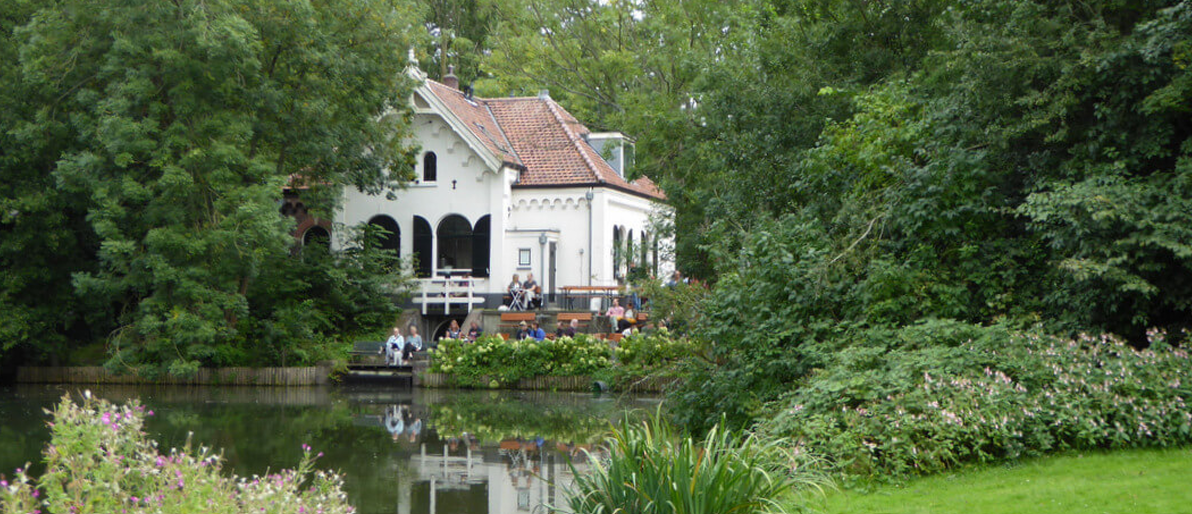
Hidden deep in the Flevo Park is a distillery that is shrouded in as much mystery as its location. It is a distillery with a history of defiance and an absolute unique way of doing things. Just a 20 minutes bike ride from Dutch Courage Cocktailbar and one feels as though we are in the country side. We have arrived at ‘T Nieuwe Diep.
What’s in a name
The name of this distillery comes from the lake it is located at. The building’s foundations have been proven to date back to at least the 17th century when a windmill pumped water to the lake to control the water of the fields around. In 1860 the current building was realised which did the exact same thing but using steam instead of wind. When technology made the building obsolete it went into decay until it was renovated by the government via StadsHerstel in 2009. They wrote out an open letter where the best plan for the building and its estate would win the location. The winner was a Jaros Janssens with his plan to build a distillery, fruit farm and bar with terrace. In 2014 it opened its doors.
The Janssens Family
Jaros Janssens is no stranger. Former metal worker on the red light district, he takes over the abandoned Wynand Fockink building with Jan van Galesloot in 1993. Taking over is a big word, it was more a “squatting” situation. They take up the plan to re-open Wynand Fockink. However, the brand name and building had in fact already been sold to Bols in 1954. So once succesful, it was sold once again to Bols when they were able to convince the city government to add two stills to the one already present and increase production. At that time Jaros had already left in 1998 and started working on bith the distillery and its own tasting room in the red light district called “‘t Kelkje”. ‘t Kelkje is a nod as well to the families combined Dutch-Czech roots. Son Tim is almost literally “born in the kettle” as he played in the room upstairs of Wynand Fockink and was taught distilling at a very young age. At age 21 (!) he took over the entire operation.
Orang Lama Datang - Oorlam
Many of their genevers are called “Oorlam”. But what is Oorlam? We see it more often on old genever labels and in literature. The word is a finds its origin in South Africa in the 17th century. Here, Malaysian forced labourers see Dutch sailors coming and going. The ones arriving fresh from Holland were called “orang Daroe Batang” or “Newbie”. Those returning from India and hardened by travels were called “Orang Lama Datang” which, if you say it often enough turns into “Oorlam”. It became the name for the ration of sailors of Genever, often diluted with water. And that meaning of “ration” turned into its other meaning of “payment”. Please note the similarities with the British Armies and their tot of rum.
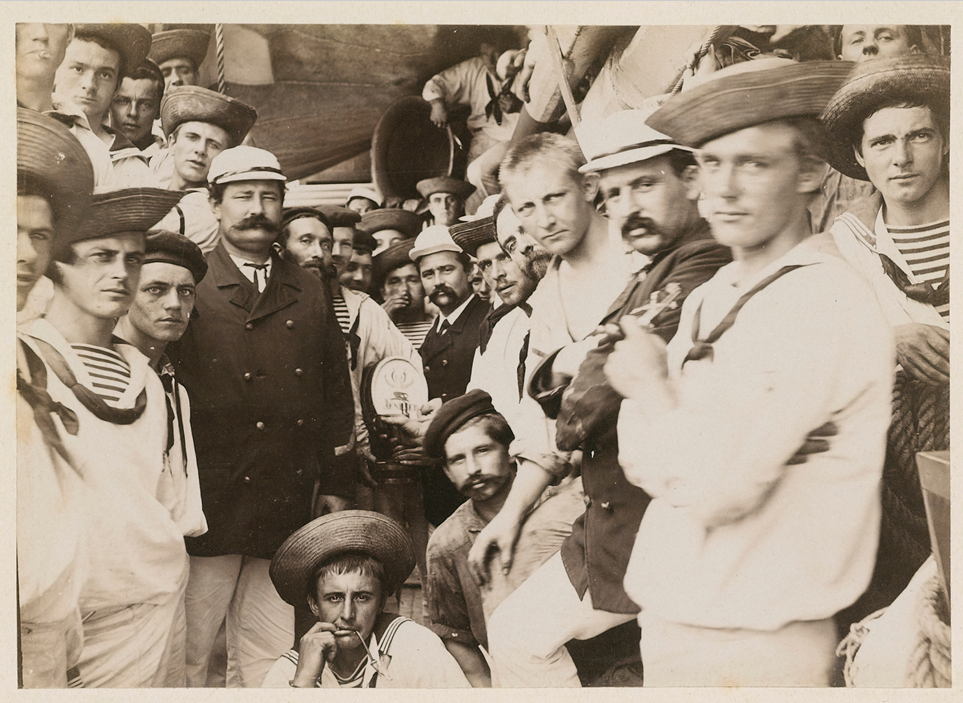
Going back to the current age, Oorlam means a genever made to be drank on a ship, or “Scheepsjenever”. Aimed at sailors used to getting their ration. Production-wise it has no strict meaning; for ‘t Nieuwe Diep, Oorlam means it uses their signature Barley & Rye mix of grains, as opposed to some of their other genevers.
Silent waters
Although they have been in production for over 10 years, “understated” is an understatement with this quiet, happy producer. No webshop, no distributor, no export. Just sales via their terrace and their tasting room and word-of-mouth. And judging from the packed terrace with good weather and their 14-staff operation this has served them well. Not all went as planned, as it quickly turned out the fruit trees on the premises do not catch enough sun, the soil is too wet and the trees are too old to have any meaning in fruit distilling.
So these are purchased from outside to make their range of fruit distillates. All of this does mean however we at Dutch Courage Cocktail bar are only stocking this rather rare producer only as of now. During COVID, as no on-site selling could be done, they went in full production mode (normally distilling is done in winter, with summer aimed at selling on terrace). This resulted in a massive stock of malt wine that is now becoming of age. Their oldest is at 20 years, and the company believes this to be the absolute limit of benefits for wood aging their spirits. The aging of this massive, 80-barrel (!) aging is done in a AGP warehouse in Almere. I was not told where, but i reckon it is at L.I.S as it is the only “AccijnsGoederenPlaats” in Almere i could find. It is also here where bottling is done.
The production
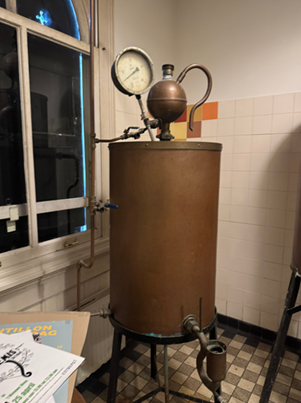
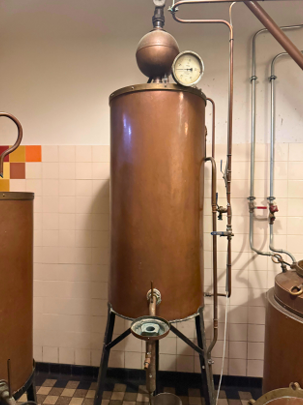
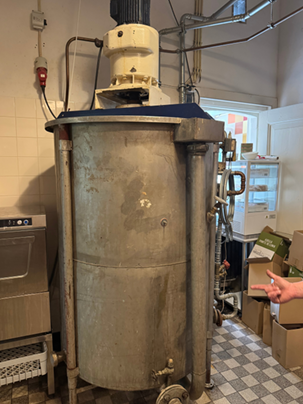
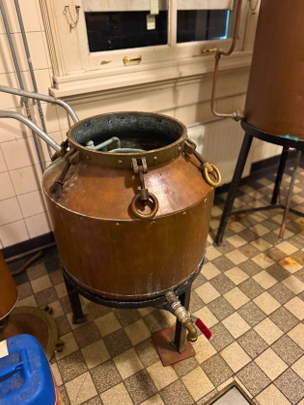
The Distillery has two main stills and is a AGP itself as well. The stills were purchased from Café Hesp in Weesp when they stopped producing genever to focus on their core business.
Technically they can distill while the bar and terrace is open as they are divided by a door. But in reality distilling is mostly reserved for the winter, when the park is calmer. Nevertheless, the Terrace is open yearround to welcome mostly the people from the neighbourhood for a drink.
They have a 100 liter fermenting tank where they ferment all grain mashes separately. These are then distilled into malt wine in two pot distilling runs to about 65 % ABV. I have never seen a distillery focussing LESS on botanicals, which makes you wonder if any are used at all.
But for sure the Young genever uses several botanicals, and the EU law requires them to use Juniper for all except the Korenwijn. With their historical link to Wynand Fockink they had and have access to all recipes they had, and so their range of traditional dutch liqueurs has a similar list of ingredients for the largest part. The same goes for the view on Brandewijn, where they use the juice of a fruit in addition to the peels, combined with a lower sugar percentage. The average ABV for all liqueurs and brandewijn is higher than that of Wynand Fockink due to a belief this carries the flavours and aroma’s better.
Additionally, without any corporation demanding volume, this distillery is perhaps the last producers of the more rare traditional dutch liqueurs which is very nice to see!
With a whopping range of 75 SKU’s over a width that spans over liqueurs, brandewijn, genever, fruit distillate, and even a rum, gin and vodka there is no shortage of choice. To ensure Kopstoot possibilities they also import a staggering list of beers. Many of these are from germany and czech republic. that last one no doubt because of the family’s heritage.
The aging
Aging is done in a variety of American oak from Jack Daniel’s and Woodford Reserve, as well as several French Oak casks that are either ex-cognac, or new Limousin Oak. After aging, the distillates are blended in a RVS tank for some time before bottling. Please note the distillates up to then are pure single grain malt wines.
Rye and Barley are the staples in terms of grain, although they also have a Spelt and a Wheat young genever showing the effect of different grains on the product. For their Korenwijn, there is NO difference with the Oorlam, but it is the only genever they have that is very slightly sweetened: 600grams sugar on 100 liter spirit (so 6 grams per liter; quite low).
The range
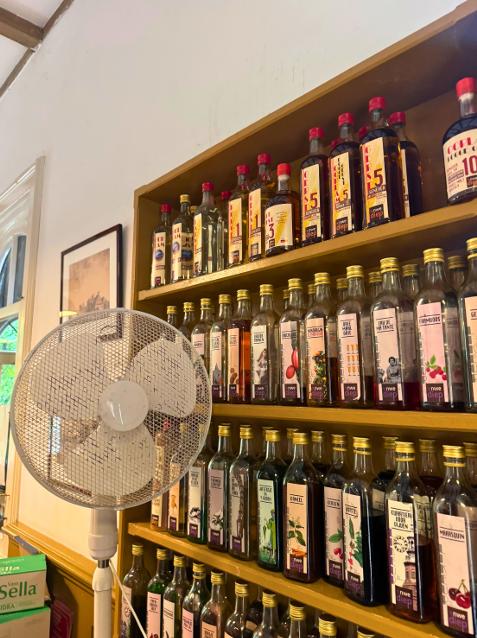
Within their impressive range of products, 19 are genevers.
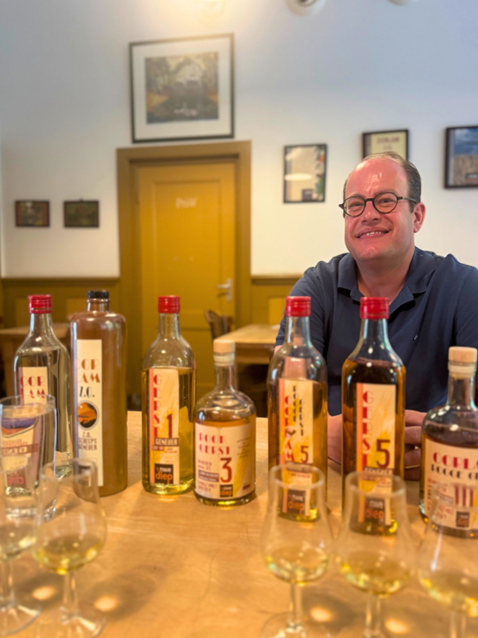
-Their Young genever is quite artisanal, with around 12,5 % of malt wine, one of the highest I have ever come across. They have two, one with additional botanicals in the shape of Fennel and St John’s Wort, while the other does not. Besides that is the range of different alternative grains.
-The range Zeer Oud is aged for 6 months in American Oak and 65 % maltwine. -Both the 1 year old rye and barley has the same 65% malt wine percentage.-Anything older than that is 100% maltwine by default, with special mention of the 3 year old Smoked Rye. This is based on a German beer tradition to smoke the rye for specific beers. Because they import such a beer they could buy the base product and use it for this unique limited edition that is aged on French Oak.
-The only other product aged exclusively on French Oak is the 5 year old. please note they have both a 5 year old “Oorlam” (so mix), an american Oak and a French one. So be sure to pick the right one as the f lavour profiles are quite different.
The Rarest Breed
The 20 year old is not often bottled; usually only available on request. HOWEVER, Dutch Courage Cocktailbar has a bottle to try at time of writing, so be sure to try some historic Amsterdam liquid when you arrive. We leave this idyllic spot with a happy heart delighted to share the liquid of this producer filled with character.
FAQ
-
The distillery was founded by Jaros Janssens, who previously helped revive distilling activities connected to Wynand Fockink.
-
Oorlam originates from maritime history and refers to traditional ship's genever.
-
No. The distillery mainly sells through its tasting room and terrace.
-
Approximately nineteen different genevers.
-
The 20-Year-Old Oorlam is among the rarest bottlings produced by the distillery.
-
Yes. Various expressions are regularly available, including rare releases when stock permits.
